Idris

Thyroiditis: A Comprehensive Guide to Symptoms, Causes, Diagnosis, and Treatment

Thyroiditis is a general term for inflammation of the thyroid gland — the small, butterfly-shaped gland at the front of your neck that regulates metabolism, energy, heart rate, and numerous other body functions. When this gland becomes inflamed, it can lead to a range of thyroid hormone abnormalities: too much, too little, or fluctuating levels

Thyroiditis: A Comprehensive Guide to Symptoms, Causes, Diagnosis, and Treatment Read More »

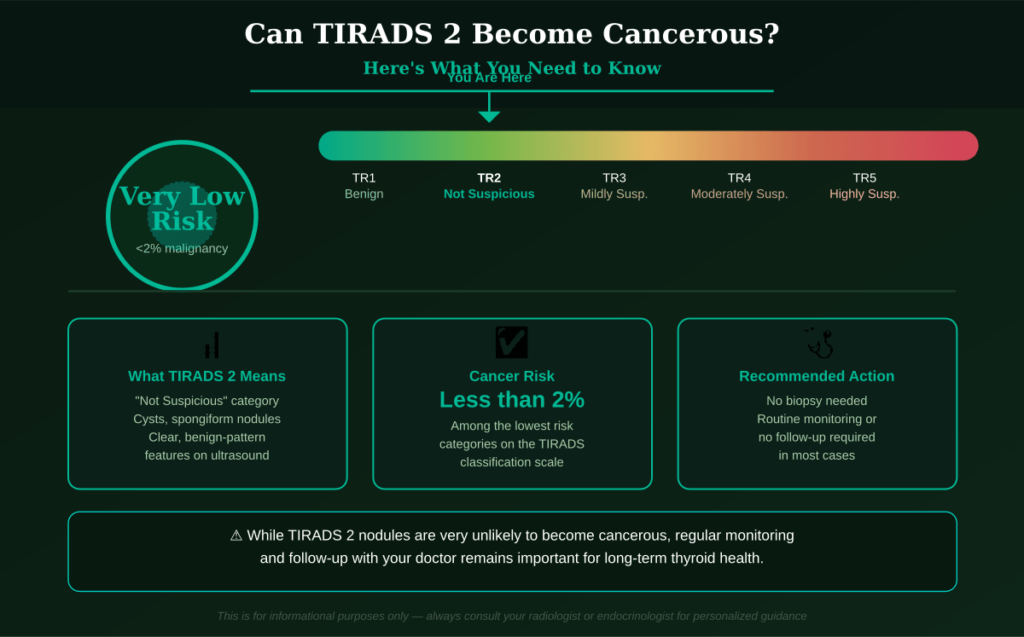
Can TIRADS 2 Become Cancerous? Here Is What You Need To Know

TIRADS, whose full meaning is Thyroid Imaging Reporting and Data System, is a rating system that tends to put thyroid nodules into separate categories depending on the risk they have of becoming cancerous. The basis on which this categorization is done is achieved via features that the nodule displays when observed under ultrasound imaging. The

Can TIRADS 2 Become Cancerous? Here Is What You Need To Know Read More »

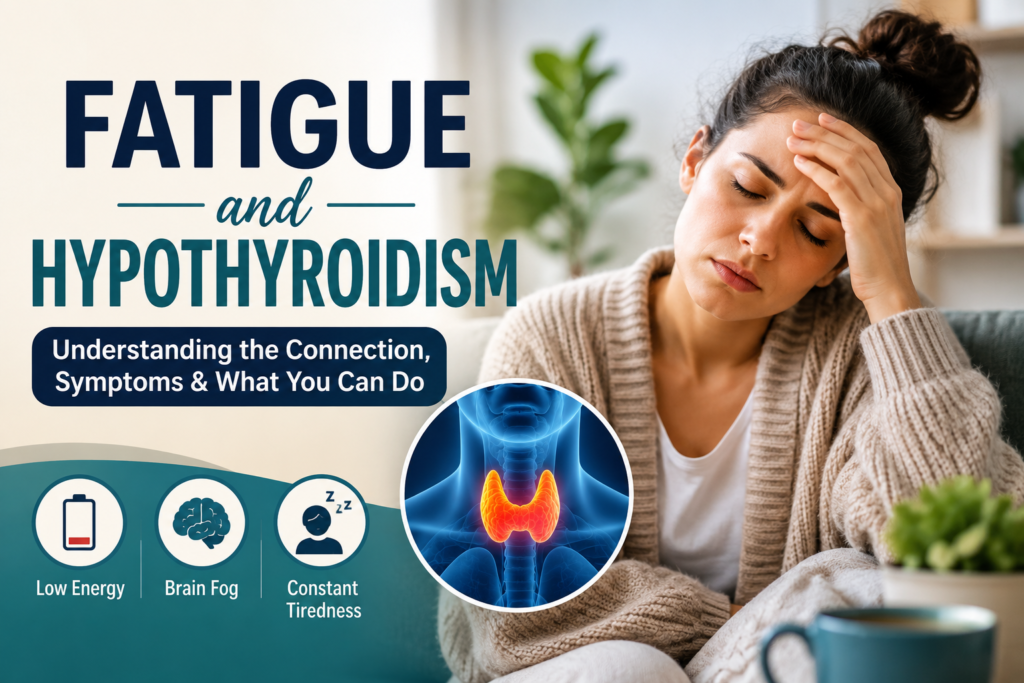
Fatigue and Hypothyroidism: Why You’re Still Exhausted and What to Do About It

Fatigue and hypothyroidism are closely linked — and for millions of people with an underactive thyroid, exhaustion is the symptom that disrupts daily life most. It is the kind of fatigue that a full night’s sleep cannot fix, that rest does not resolve, and that the people around you may struggle to understand. If you

Fatigue and Hypothyroidism: Why You’re Still Exhausted and What to Do About It Read More »

TIRADS 1: The Benign Category in Thyroid Nodule Classification

Thyroid nodules are common, and while most are benign, some can be malignant, requiring careful evaluation. The Thyroid Imaging Reporting and Data System (TIRADS) was developed to standardize the assessment of thyroid nodules based on their ultrasound features, helping healthcare providers determine the risk of malignancy. TIRADS categorizes nodules from TIRADS 1 (benign) to TIRADS

TIRADS 1: The Benign Category in Thyroid Nodule Classification Read More »

TIRADS 3: Mildly Suspicious Category in Thyroid Nodule Classification

Thyroid nodules are common, and while most are benign, it’s essential to evaluate them carefully to determine the risk of malignancy. The Thyroid Imaging Reporting and Data System (TIRADS) was developed to standardize this evaluation using ultrasound characteristics. This system categorizes nodules from TIRADS 1 (benign) to TIRADS 5 (highly suspicious for malignancy). In this

TIRADS 3: Mildly Suspicious Category in Thyroid Nodule Classification Read More »

tirads 2

TIRADS 2: Not Suspicious (Benign) Category in Thyroid Nodule Classification

The assessment of thyroid nodules is a crucial aspect of thyroid health management, particularly when considering the potential risk of malignancy. To help standardize the evaluation of these nodules, the Thyroid Imaging Reporting and Data System (TIRADS) was developed. This system categorizes thyroid nodules based on their ultrasound features, with classifications ranging from TIRADS 1

TIRADS 2: Not Suspicious (Benign) Category in Thyroid Nodule Classification Read More »

TIRADS 5 Thyroid Nodules: Overview, Causes, Symptoms, Treatment, and Biopsy

Thyroid nodules are common findings, and while most are benign, a small percentage carry a risk of malignancy. The Thyroid Imaging Reporting and Data System (TIRADS) is a classification system used to assess the risk of thyroid nodules based on their ultrasound characteristics. TIRADS 5 is the highest category, indicating that a nodule is highly

TIRADS 5 Thyroid Nodules: Overview, Causes, Symptoms, Treatment, and Biopsy Read More »

Tirads 4: Causes, Symptoms, Follow-Up, and Treatment

Thyroid nodules are lumps that can form in the thyroid gland, and while many are benign, some carry a risk of malignancy. The Thyroid Imaging Reporting and Data System (TIRADS) was created to categorize these nodules based on their ultrasound characteristics, helping clinicians assess their potential risk. TIRADS 4 represents a category of nodules that

Tirads 4: Causes, Symptoms, Follow-Up, and Treatment Read More »

Scroll to Top